The Epic Saga of Amazigh in Morocco
Embark on an extraordinary journey through time, discovering the remarkable story of North Africa's indigenous people - from their ancient origins to their modern renaissance. Uncover the tales of legendary warriors, visionary leaders, and cultural icons who shaped the destiny of the Amazigh nation through millennia of triumph and adversity.
The Amazigh People (Berbers)
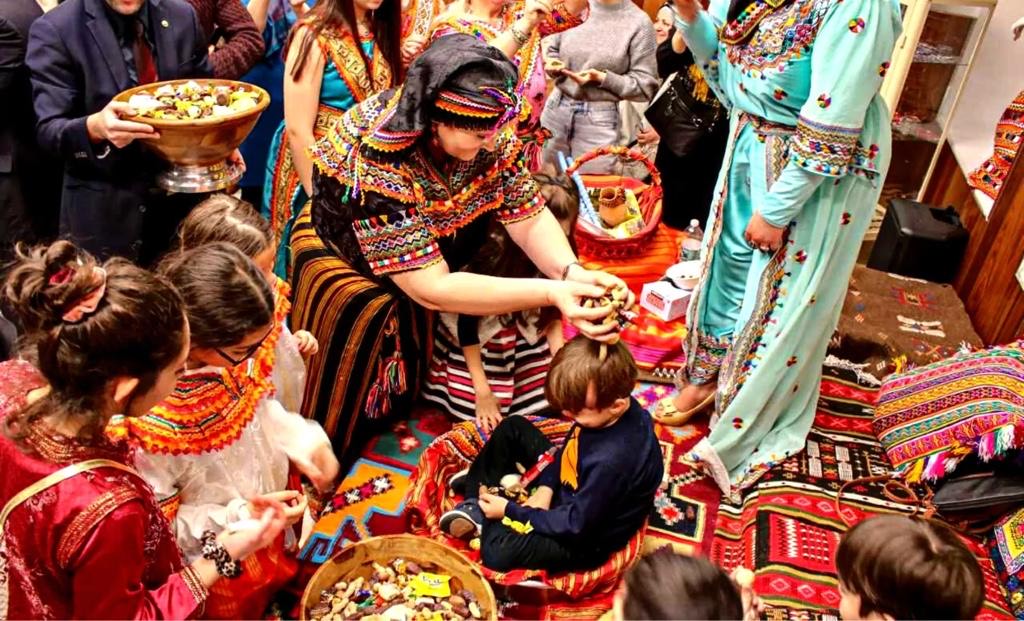
The Berbers or Amazigh (plural: Imazighen) are an ethnic group indigenous to North Africa, primarily inhabiting the regions of Morocco, Algeria, Tunisia, Libya, Egypt, Mali, Niger, and Mauritania. The term "Berber" comes from the Greek and Latin words "barbaros" and "barbarus," while they call themselves "Imazighen," meaning "free people" or "noble people."
Identity and Language
- Speak various Berber languages (Tamazight), part of the Afroasiatic family
- Strong cultural identity preserved through millennia
- Distinct writing system: Tifinagh alphabet
- Rich oral traditions and cultural practices
- Diverse regional identities and dialects
Geographic Distribution
- Large populations in Morocco and Algeria
- Communities across the Sahara and Sahel
- Historic presence from Egypt to the Canary Islands
- Mountain and desert adaptations
- Urban and rural settlements
Origins and Early History
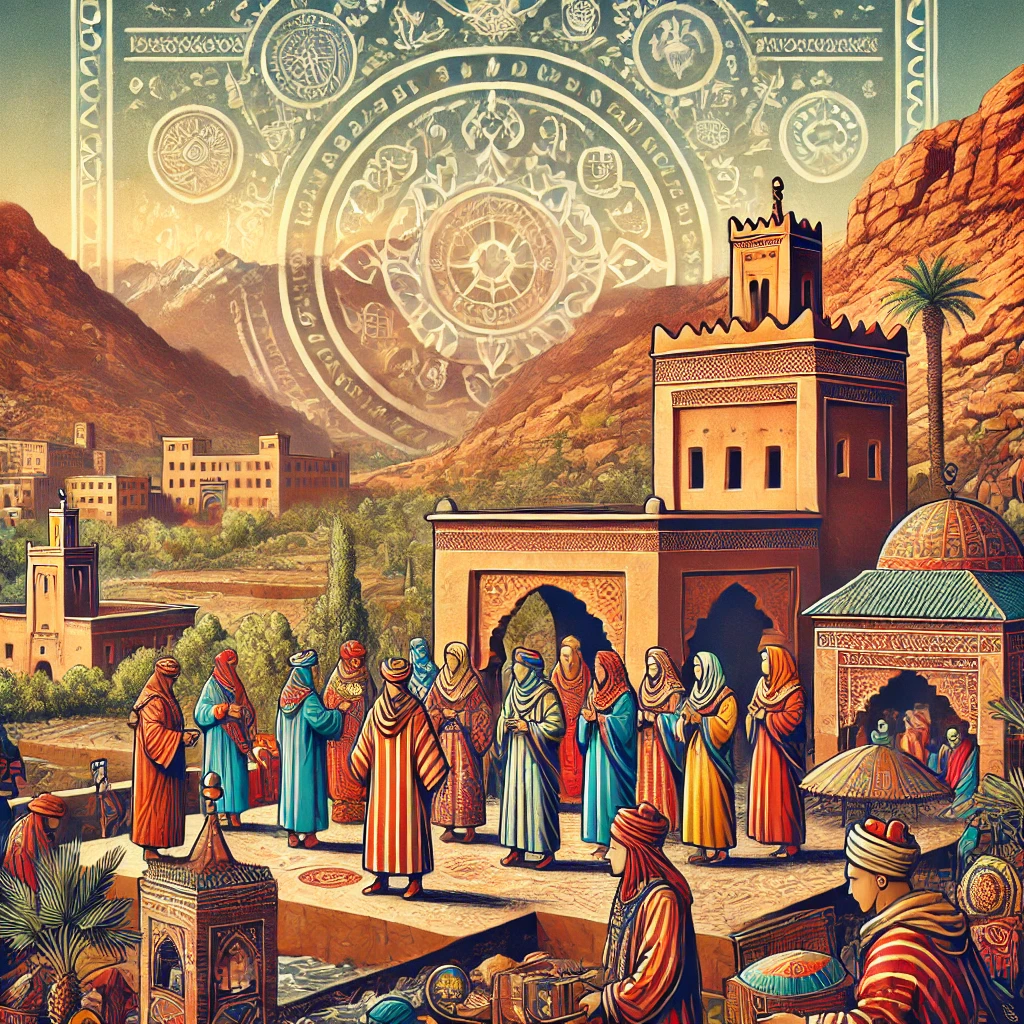
The Berbers have inhabited North Africa since the earliest times, with their presence dating back more than 10,000 years. Their origins are complex and diverse, showing connections to various prehistoric populations.
Prehistoric Origins
- Evidence of early human presence in North Africa dating back to Paleolithic times
- Development of Capsian culture (10,000-6,000 BCE)
- Early agricultural and pastoral societies
- Rock art in the Sahara depicting early life
- Development of early settlements and social structures
Archaeological Evidence
- Cave paintings and rock engravings
- Stone tools and early artifacts
- Evidence of early farming and animal domestication
- Ancient burial sites and monuments
- Early writing systems and inscriptions
Ancient Berber Kingdoms
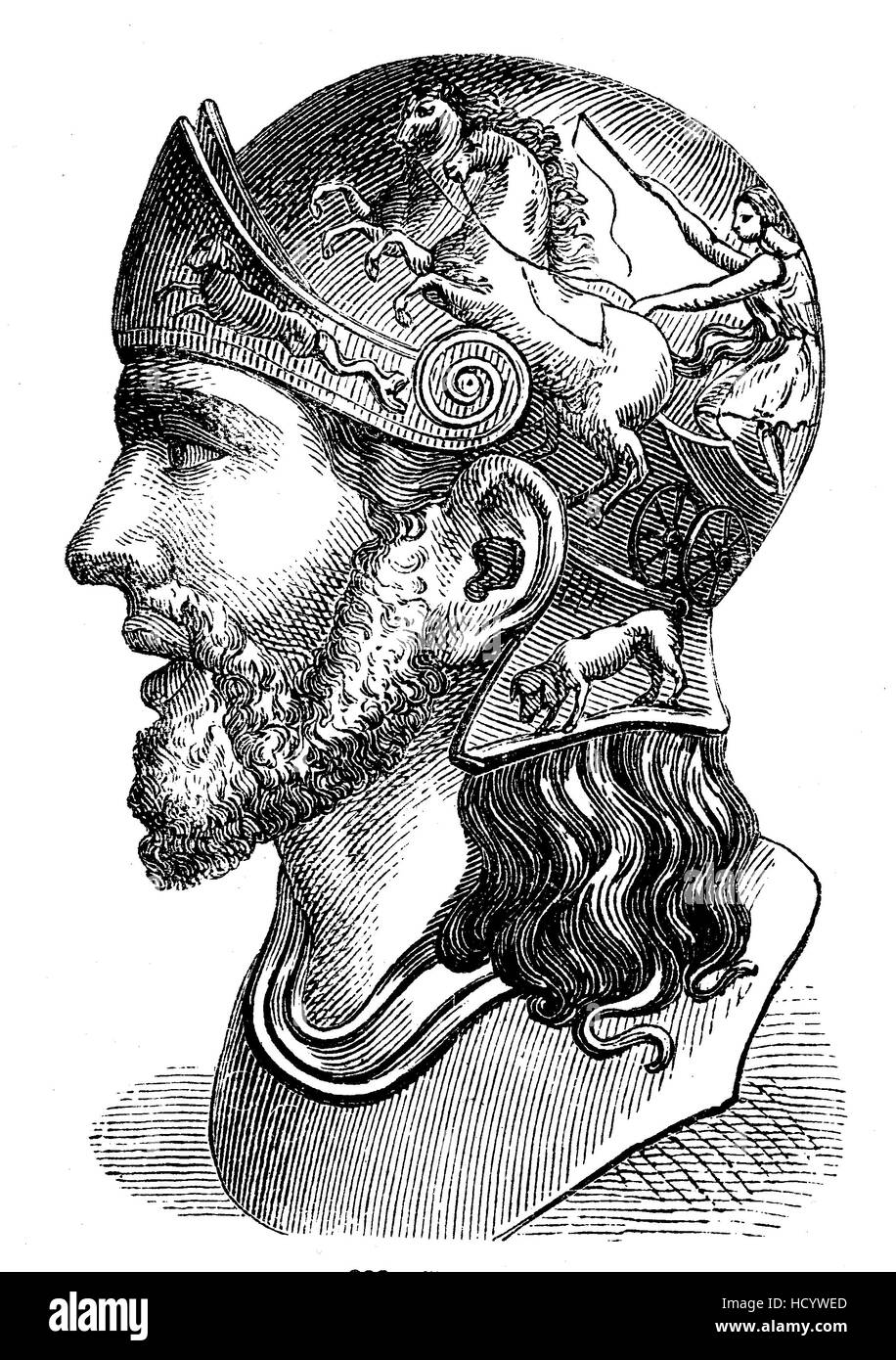
The ancient period saw the rise of powerful Berber kingdoms and their interaction with other Mediterranean civilizations. Notable kingdoms included Numidia, Mauritania, and the Garamantes.
Major Kingdoms and States
- Kingdom of Numidia (202 BCE - 46 BCE)
- Kingdom of Mauritania (3rd century BCE - 44 CE)
- The Garamantes Civilization (500 BCE - 700 CE)
- Relations with Carthage and Rome
- Development of sophisticated political systems
Notable Rulers and Leaders
- Masinissa - Unified Numidia
- Jugurtha - Fought against Roman expansion
- Juba I and II - Scholarly kings of Numidia and Mauritania
- Tacfarinas - Led resistance against Rome
- Kusaila - Early leader against Arab expansion
Medieval Berber Dynasties
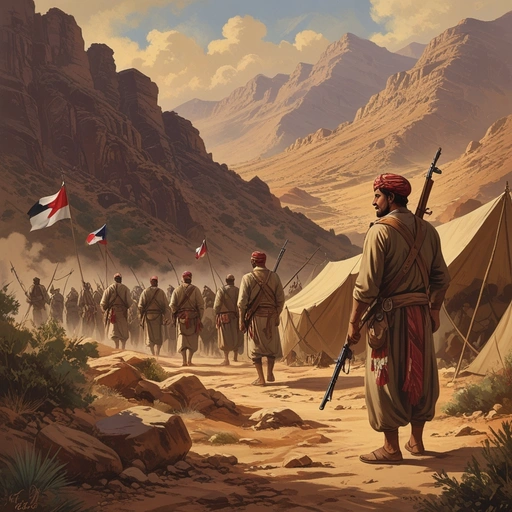
The medieval period marked the height of Berber political power, with several major dynasties ruling large parts of North Africa and Al-Andalus (Islamic Iberia).
Major Dynasties
- Almoravid Dynasty (1040-1147)
- Almohad Caliphate (1121-1269)
- Marinid Dynasty (1244-1465)
- Zayyanid Dynasty (1235-1556)
- Hafsid Dynasty (1229-1574)
Cultural and Scientific Achievements
- Development of advanced irrigation systems
- Architectural innovations in mosque design
- Contributions to mathematics and astronomy
- Advanced agricultural techniques
- Development of trade networks
"The medieval period represents the golden age of Berber civilization, when their empires stretched from Senegal to Spain."
Modern Period and Cultural Revival
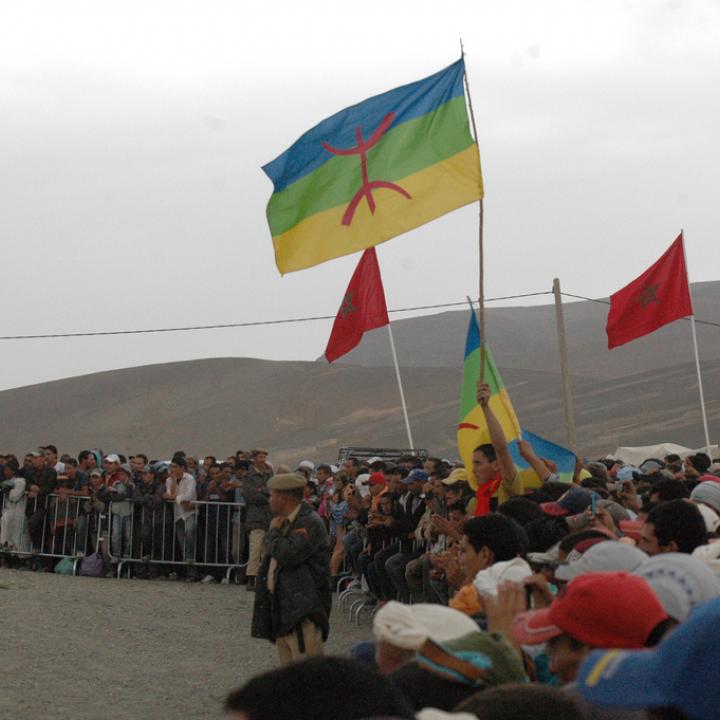
The modern era has seen both challenges and cultural revival for the Berber people, with growing recognition of their rights and identity.
Modern Developments
- Recognition of Tamazight as official language in Morocco (2011)
- Cultural revival movements across North Africa
- Establishment of cultural institutes and organizations
- Growing awareness of Berber identity and rights
- Integration of Berber culture in national identities
Contemporary Culture
- Vibrant music and arts scene
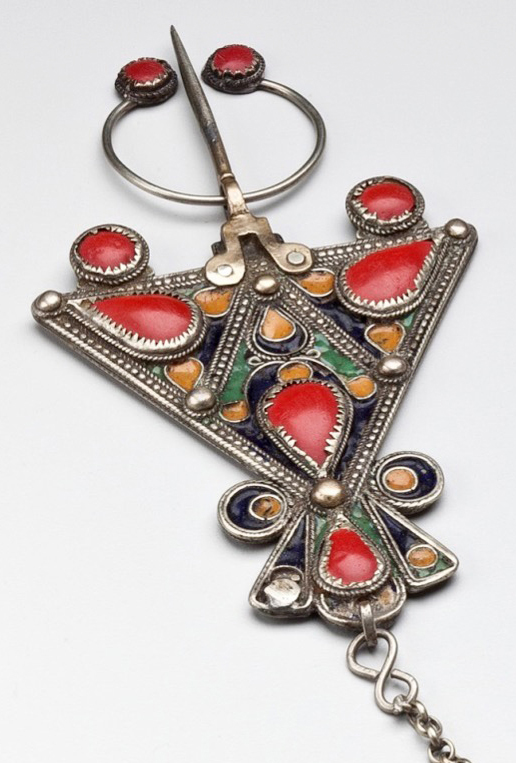
- Traditional crafts and jewelry making
- Annual cultural festivals and celebrations
- Modern literature and media in Tamazight
- Revival of traditional customs and practices
Culture and Society
Social Organization
- Traditional tribal structure and confederations
- Important role of family and community
- Complex social hierarchies and alliances
- Traditional governance systems
- Customary laws and practices
Cultural Practices
- Rich musical traditions and dance
- Distinctive architecture and home design
- Traditional medicine and healing practices
- Unique agricultural methods
- Traditional ceremonies and festivals
Material Culture
- Traditional textile arts and carpet weaving
- Metalwork and jewelry making
- Pottery and ceramics
- Traditional clothing and adornment
- Agricultural tools and techniques
Legacy and Future Prospects
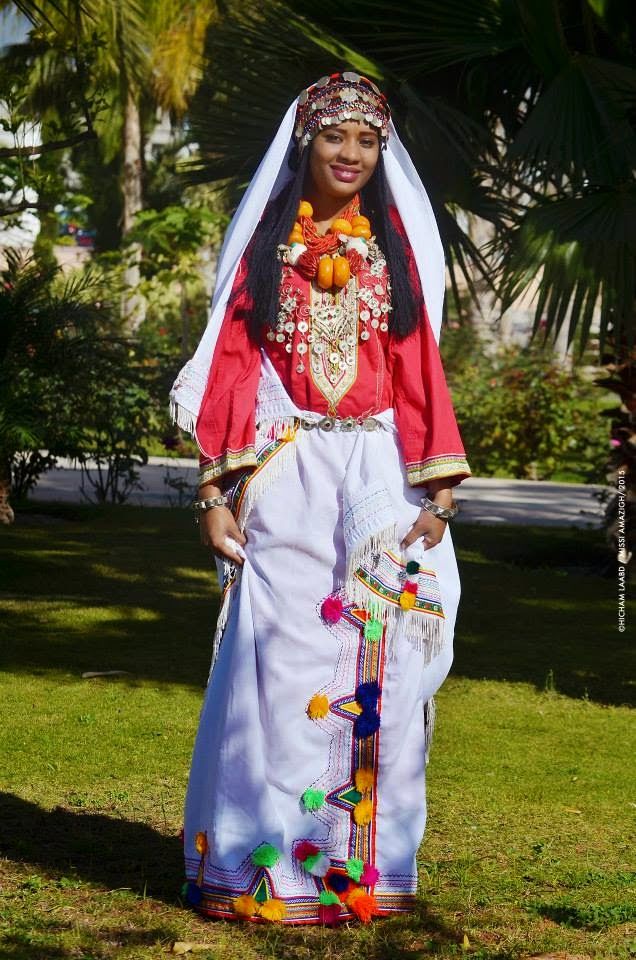
The Berber legacy continues to influence North African culture and society, with growing recognition and preservation of their heritage.
Contemporary Influence
- Impact on modern North African identity
- Contribution to global cultural diversity
- Influence on contemporary art and design
- Role in sustainable traditional practices
- Preservation of ancient knowledge systems
Future Challenges and Opportunities
- Language preservation and education
- Cultural heritage protection
- Economic development and tourism
- Environmental sustainability
- Integration of tradition with modernity
"The Amazigh heritage represents a living bridge between ancient traditions and contemporary life, continuing to evolve while maintaining its essential character."